
Summer in Kallepia
Cyprus Life in the Villages

Καλοκαίρι στην Καλλέπια
Summer is well and truly here. The hills have turned from the green of winter to the yellow of summer except for the green splashes of olive trees, grapevines, and fruit orchards.
The summer started with a heat wave, with temperatures reaching 38C (100F) in the Paphos region and exceeding 40C (104F) in the interior and east of the island. Our swimming pool started to overheat after I forgot to take the solar cover off on a really hot day. The water temperature reached the mid-30s (95F). By the way, the reason I give temperatures in both Fahrenheit and Centigrade is that there are readers of this blog all over the world.
We are now running an air conditioner twenty-four hours a day and don't spend much time outdoors. Even the arrival of evening brings little relief with temperatures staying high until midnight. Electricity prices are quite high in Cyprus. The base price is about 12c a kWh (US$0.13) which initially seems low until EAC (Electricity Authority of Cyprus) adds a fuel adjustment, based on the international price of oil, to the bill. This can bring the cost of a kWh up to 36c ($US0.40). Which is quite high and one of the highest in Europe. Only Germany, with a cost of 40c per kwh, is higher than Cyprus with the average cost of electricity in Europe about 28c per kwh.
In 2018 the EU set a target of 32% for renewable energy by 2030. That was revised to 42.5% in 2023. Currently, Cyprus is at 20% for renewable energy, mainly solar and wind. As a result of the high price of electricity, many homeowners have turned to home solar installations which are tied to the grid. We installed a 4 kW system in our home in 2020. It produces about 7 mWh a year which more than covers our usage throughout the year, both for cooling and heating. Similarly, many homeowners have started installing home solar to cope with EACs' high electricity prices. Currently, the installed cost of a 3 kW system is about €5,200 (US$5,700) or about 2/3 the cost of a similar system in the USA. If one installs a solar electricity system, one can expect a payback of about 4-5 years after which electricity is virtually free. This is especially so due to the Meditteranean climate and about 320 sunny days a year. There are still basic costs of about €8 a month to pay for connection to the grid, and about 4c per kWh imported from the grid but offset by your exports. Importing from the grid is necessary at night or if you consume more than you produce at any point in time.
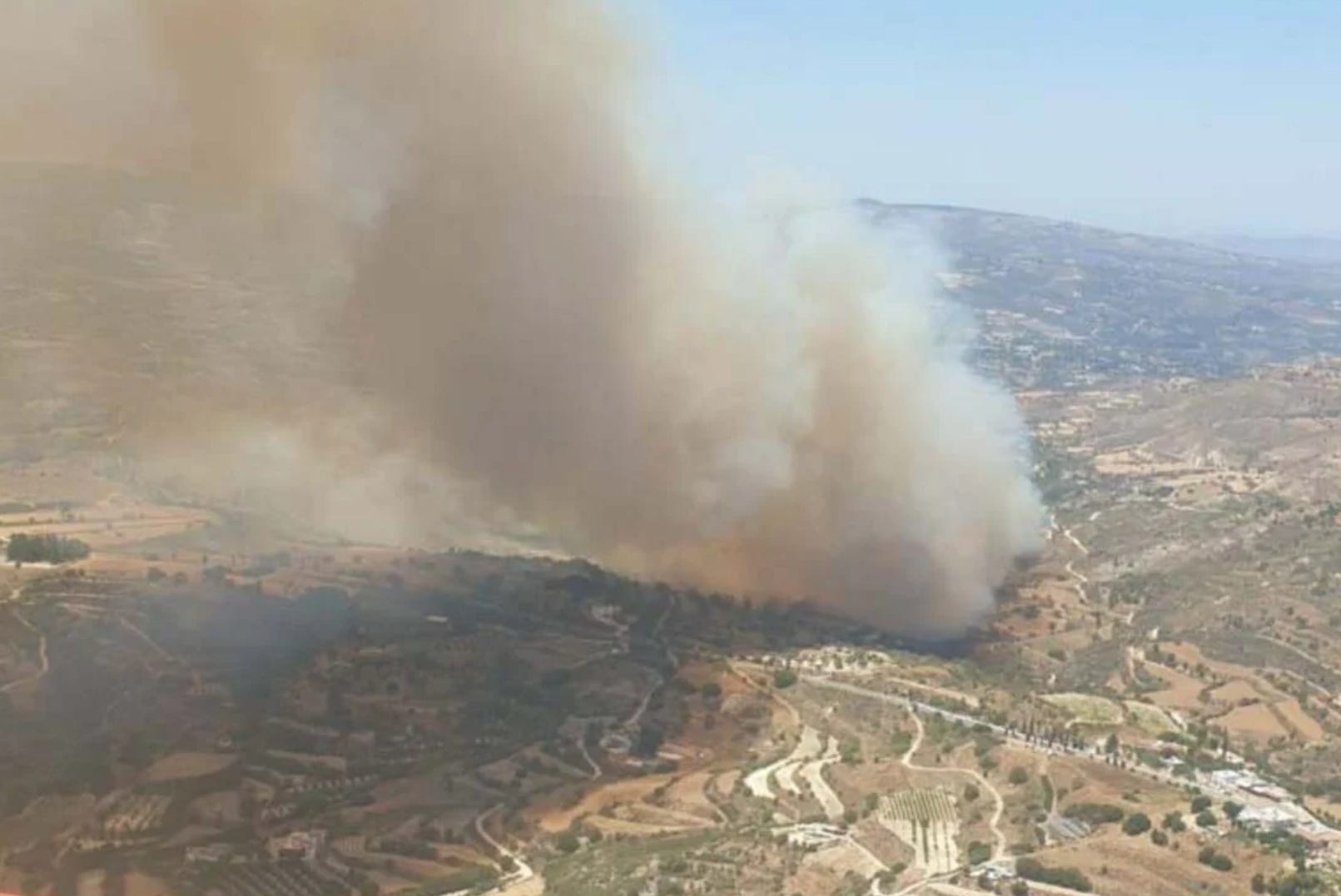
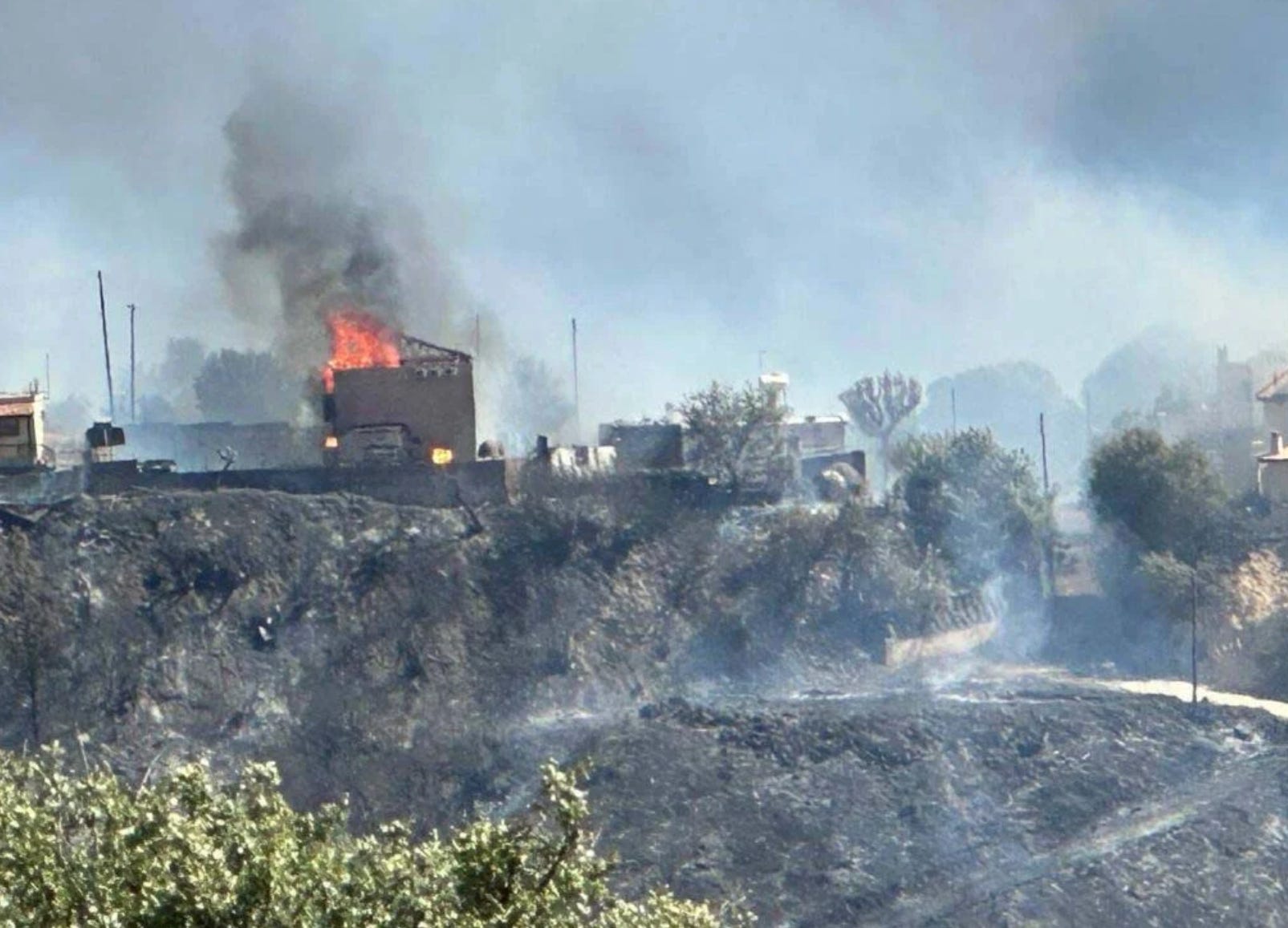
Unfortunately, wildfires are unwanted companions of the heat and dry Mediterranean conditions. Two days ago my wife, Michal, drew my attention to the large amounts of billowing smoke being generated by a fire that had broken out in a village about 3 km (2 miles) away from us. The thick smoke quickly obscured almost half the sky to our East and we soon heard the sounds of firefighting helicopters and planes brought to fight the fire. Cyprus has signed mutual agreements with Greece, Israel, and Jordan to come to each other's aid with aerial firefighting equipment if needed and it's not uncommon to see foreign planes helping fight wildfires in the summer. Luckily for us, the prevailing winds pushed the fire and smoke away from us. As a precaution, three nearby villages were evacuated. The fire was quickly brought under control, but yesterday night we saw the flames of another fire burning on the distant hills to our East. We're always concerned over nearby fires as our house borders on an agricultural area and we have a dry hilltop behind us.
On some other notes, we just had local elections and a new Mukhtar (mayor) was elected for the village. Nikkos, our last Mukhtar had been in the role for 18 years and decided it was time for a break. The Mukhtar’s role is to oversee all local matters, water, building permits, business permits, sidewalks, communal infrastructure, village festivals, and everything to do with local life. We understand that thaere are plans to merge Kallepia with the surrounding villages all to be administered by one Mukhtar and one communal village council. It makes a lot of sense as the villages are all quite small.
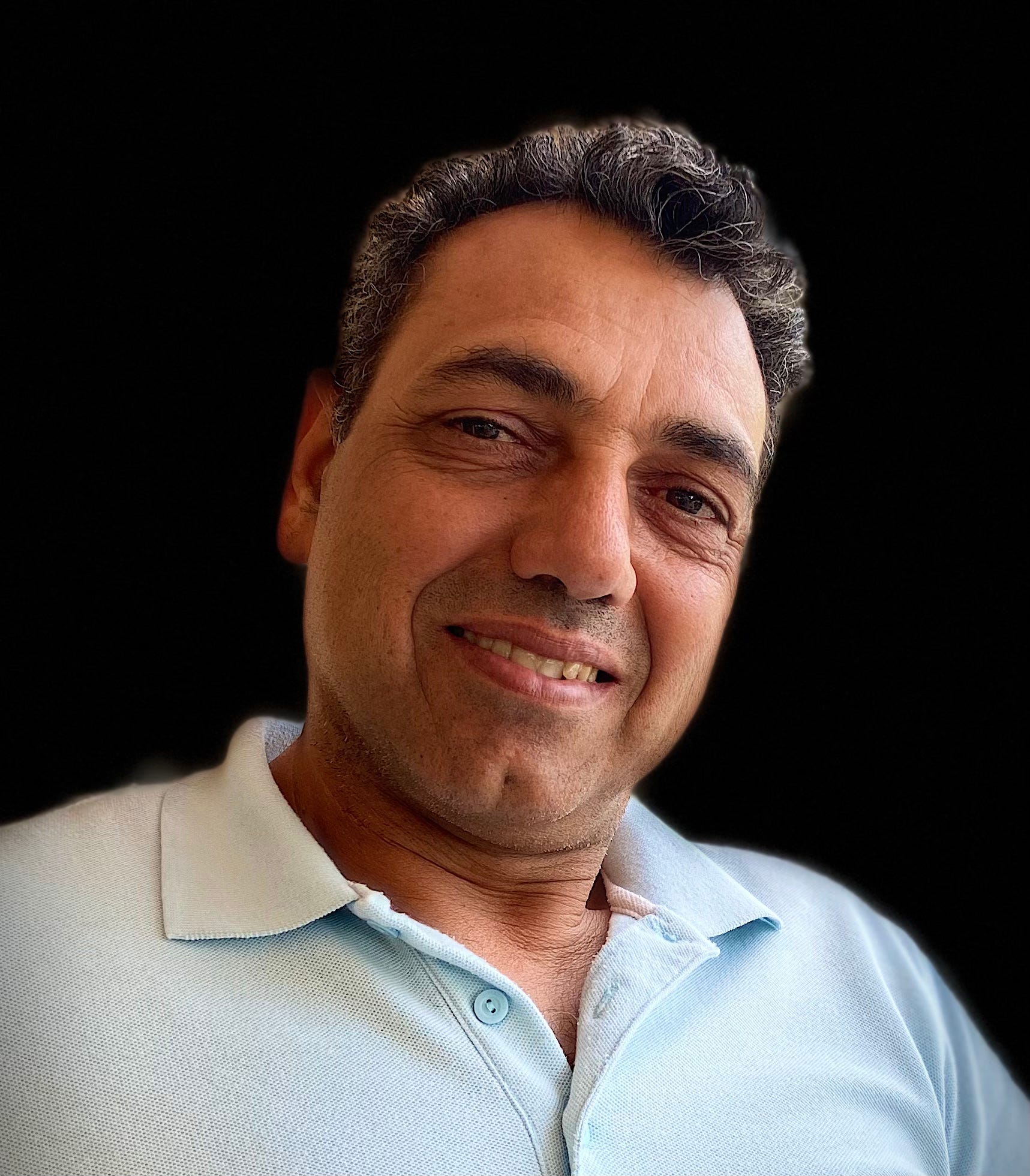
Nikkos the old Mukhtar
Several homes in the village center have been freshly renovated and restored, some for residences and some for tourism. One business, a small coffee shop run by British expatriates has closed and a new business, a beautician is opening in the same premises. We still have more lemons than we can ever use from our lemon tree. We also planted two varieties of mandarin trees and a pomegranate tree towards the end of winter. Hopefully, we will be able to enjoy their fruit as they seem to be growing well and acclimatizing to our yard.
Till next time.